
Operatoria Dental
¿Qué es la operatoria dental u odontología general?
Es una de las áreas más comunes de la odontología ya que es el área que trata la enfermedad oral más frecuente en el mundo: la caries dental. Adicionalmente es el área que también resuelve casos asociados al trauma dental.
Los procedimientos están enfocados en la restauración dental que son tratamientos mandatorios cuando existen lesiones de caries, fracturas o alteraciones de forma y tamaño, defectos en el desarrollo del esmalte o incluso ajustes oclusales, devolviendo de esta manera la estética y la función. A continuación la descripción de algunas de las patologías mas frecuentes
Caries dental
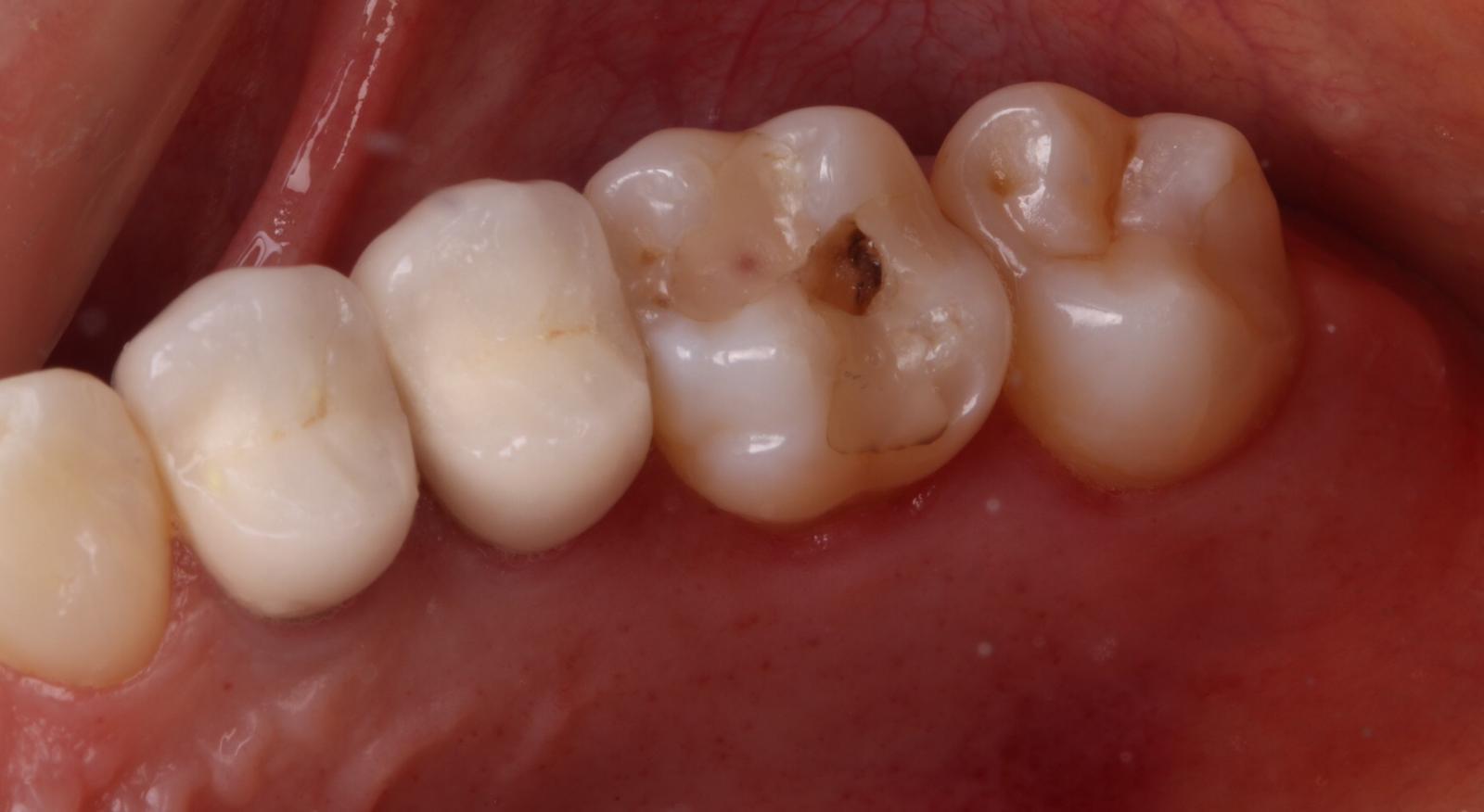
La caries dental es una enfermedad de origen bacteriano, pero puede surgir por varios factores. Inicialmente es asintomática, dificultando la detección temprana si no se asiste a controles odontológicos y avanza de manera rápida con el tiempo, perdiendo estructura dental que no se recupera y en la medida que progresa manifiesta síntomas de sensibilidad y muchas veces dolor agudo el cual muchas veces es irreversible y es necesario el tratamiento de conductos o en el peor escenario la pérdida dental. El desarrollo de la enfermedad se da porque las bacterias se convierten en ácidos suficientemente fuertes como para desmineralizar el esmalte dental, causando pequeños agujeros en la superficie dental, los cuales crecen hasta la destrucción total del diente, también es importante aclarar que estos procesos de acidez se dan por hábitos alimenticios altos en azúcares y carbohidratos, sequedad en la boca; que no son acompañados con buenas medidas de higiene oral y deficiencia en las dosis de flúor.
Trauma dental
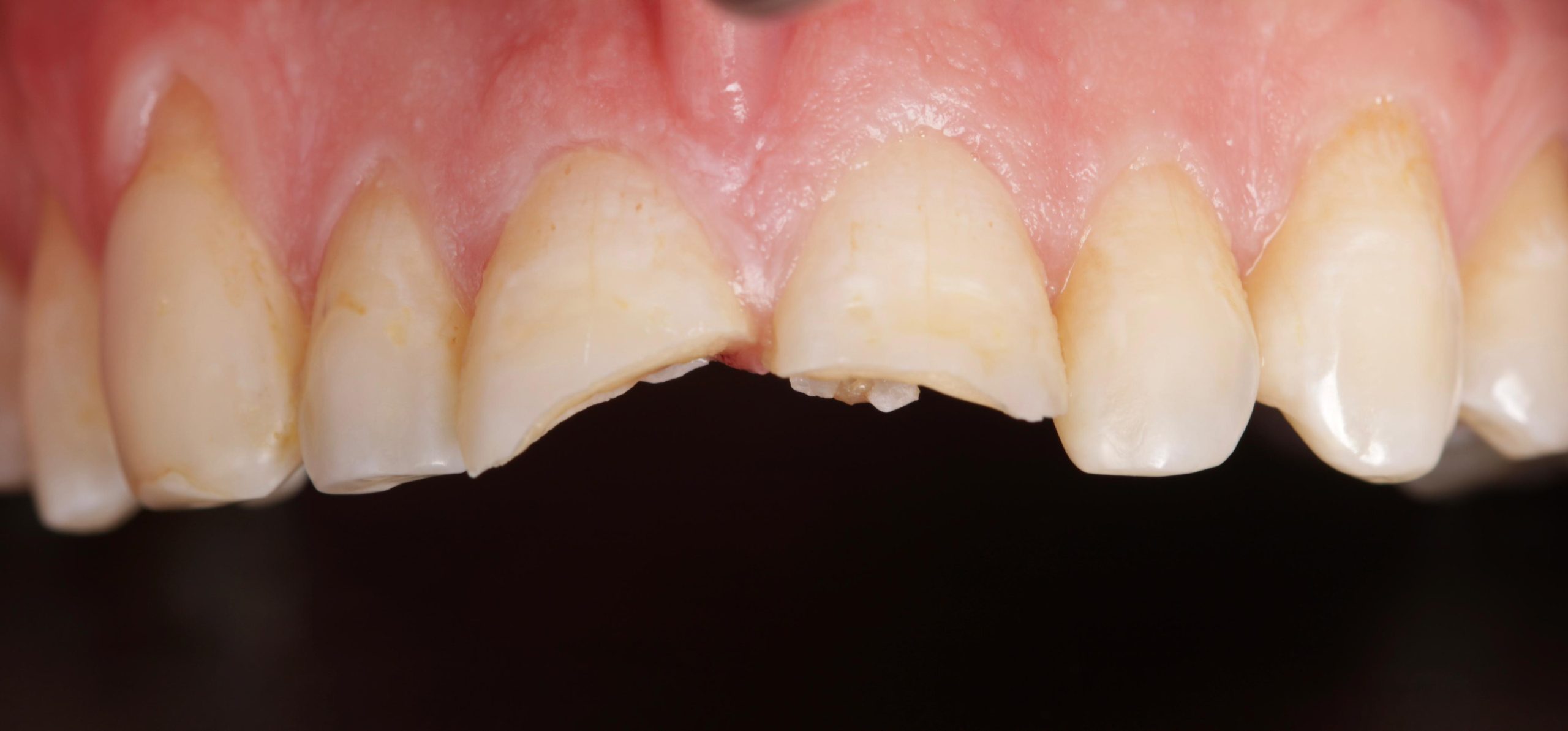
El trauma dental se define como la pérdida de estructura dental por micro o macrotraumatismos. Los microtraumatismos son los asociados con fuerzas oclusales excesivas, condición que cada vez es más frecuente debido a los altos niveles de apretamiento de los pacientes y también por maloclusiones dentales que si no se corrigen con ortodoncia se genera una mala distribución de las cargas oclusales. Los macrotraumatismos, se dan por fuerzas externas, como los accidentes, siendo los más frecuentes asociados a caídas en bicicletas, patinetas, caídas en la calle y muchos accidentes deportivos.
Los tipos de tratamientos en operatoria dental
El objetivo de los tratamientos de restauración dental es devolver la estética y la función masticatoria del diente, por medio de procedimientos directos e indirectos.
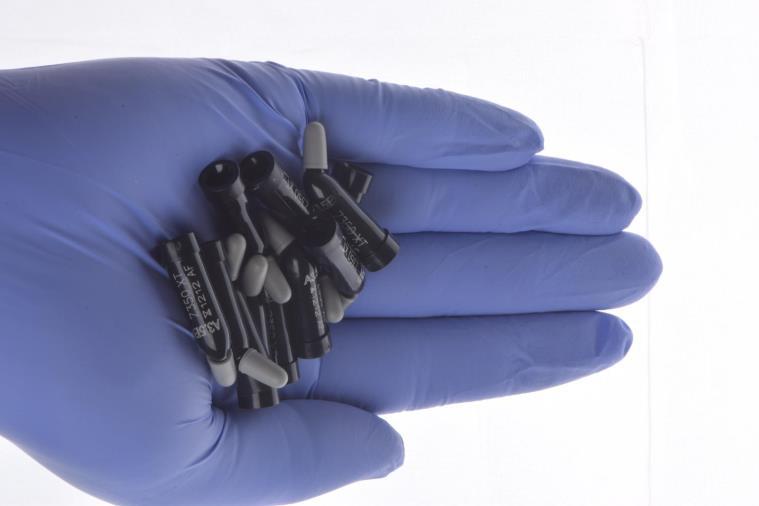
Las restauraciones directas que son realizadas en resinas compuestas pueden imitar el color del diente, ofreciendo un alto rendimiento mecánico y estético; este procedimiento se realiza exclusivamente en el consultorio por el odontólogo y generalmente en una sola sesión se resuelve el problema asociado al diente
En casos más extremos, los dientes pueden quedar muy destruidos y en estas situaciones, se recomienda realizar una restauración indirecta, que requiere trabajo en laboratorio, por lo que el procedimiento requiere al menos 2 consultas. Las restauraciones indirectas refuerzan la totalidad del diente, evitando la fractura de paredes debilitadas por la destrucción dental y son las denominadas incrustaciones que en su mayoría son realizadas en materiales cerámicos de mayor resistencia, según el tamaño del diente y la superficie afectada.
Paso a paso de la restauración dental
Conozca los pasos que transforman los dientes enfermos en versiones más saludables y estéticas.

Preparación del diente
Se administra anestesia local para realizar el procedimiento con mayor comodidad. Se prepara el diente mediante aislamiento y eliminación del tejido cariado, cuando está presente, permitiendo crear la forma de la cavidad dental ideal y descontaminada para los siguientes pasos. En la odontología actual gracias a los nuevos materiales no es necesario remover tejido dental más allá del afectado para resolver las situaciones clínicas.
Restitución de la estructura dental
Se prepara el substrato dental y se aplica la técnica adhesiva para reconstruir la estructura perdida con resinas compuestas definitivas. Este procedimiento permite devolver la anatomía funcional y estética del diente. La elección del color se hace según el color del diente a tratar y contamos con los mejores materiales de las compañías más representativas del mundo que cuentas con alta tecnología en términos de estética, resistencia y longevidad.
Paso Final
Pulido y ajuste de la oclusión o mordida.
En el caso de restauraciones indirectas, la primera consulta consiste en la preparación del diente y la toma de modelos a través de scanner intraorales para que el laboratorio diseñe la restauración; posteriormente este elemento se adhiere utilizando técnicas similares a las de las restauraciones directas.
En algunos casos, dependiendo de la proximidad con la estructura pulpar del diente, puede ser necesario realizar una técnica de protección y/o reparación pulpar o si esta muy avanzado tratamientos endodónticos.
Cuidados después del tratamiento
- No masticar alimentos mientras dure el efecto de la anestesia;
- No beber bebidas calientes mientras dure el efecto de la anestesia;
- No comer durante la hora siguiente de realizada la restauración para garantizar que finalice el proceso de endurecimiento o polimerización de los materiales.
Síntomas después del tratamiento
Es posible que los días posteriores al tratamiento tenga los siguientes síntomas:
- Algo de sensibilidad al frío en los primeros días
- Encías sensibles o maltratadas
- El color de las restauraciones tarda entre 1 y 2 semanas en estabilizarse, momento en el que la estructura dental se rehidrata completamente.
Si tienes sensibilidad y/o dolor al calor o dolor pulsátil como el «latido del corazón»; dolor espontáneo que persiste y aumenta al estar acostado; es importante acudir urgente al odontólogo y finalmente recuerda que ningún material es igual al diente natural, razón por la cual algunos de estos materiales como las resinas requieren recambio a los 6 años por desgaste y cambios en su color.

¡Te Esperamos!
Estamos aquí para ayudarte a lograr la sonrisa que siempre has querido
Si buscas una clínica dental con una larga trayectoria, atención personalizada y un enfoque integral para tu salud oral, Belinno es el lugar ideal para ti. Te invitamos a visitarnos y experimentar de primera mano el compromiso y la dedicación que ponemos en cada aspecto de nuestro servicio.